If you are aiming for smoother contours by summer without surgery, it helps to know what really works, who is a good candidate, and how to time your plan. CoolSculpting can be a safe, effective option for the right patient when it is performed by trained clinicians who tailor the treatment to your body and goals.
At Chetco Medical and Aesthetics, our internal medicine physicians and aesthetic team combine medical evaluation with individualized contouring plans. This guide explains how CoolSculpting works, what to expect, how it compares to other options, and how to choose a qualified provider so you can move forward with clarity.
How CoolSculpting works and who is a candidate
CoolSculpting uses controlled cooling, known as cryolipolysis, to target subcutaneous fat cells. Fat cells are more sensitive to cold than surrounding skin, nerves, and muscle. During treatment, an applicator draws the tissue into a cooling cup. Cold exposure triggers fat cell apoptosis, and your body gradually clears those cells through the lymphatic system over several weeks.
Good candidates typically:
- Are near their healthy weight with pinchable bulges that resist diet and exercise.
- Want spot reduction, not a weight-loss method.
- Have realistic expectations about gradual change and the possibility of multiple sessions per area.
CoolSculpting is FDA-cleared for areas including the abdomen, flanks, thighs, back fat, bra bulge, banana roll, upper arms, and under the chin. A consultation helps confirm candidacy, review medications and medical history, and decide whether alternatives like liposuction, radiofrequency-assisted lipolysis, or muscle toning are a better fit.
If you are local and want a coordinated medical approach, our Brookings team can help you plan non-surgical fat reduction in Brookings with the same attention we bring to primary care.
Results, timelines, and planning for summer
After a CoolSculpting session, your body clears treated fat cells gradually. Many people notice change as early as 3 to 4 weeks, with full results around 8 to 12 weeks. Plan backward from your target date. If you want a visible change by June, aim to complete treatments by March or early April.
Typical session counts vary by area and baseline fullness:
- Abdomen: often 2 to 4 cycles per lower or upper abdomen per visit, with 1 to 3 visits spaced 6 to 8 weeks apart.
- Flanks and love handles: commonly 1 to 2 cycles per side per visit, sometimes repeated once.
- Arms: usually 1 cycle per arm per visit, with 1 to 2 visits depending on tissue.
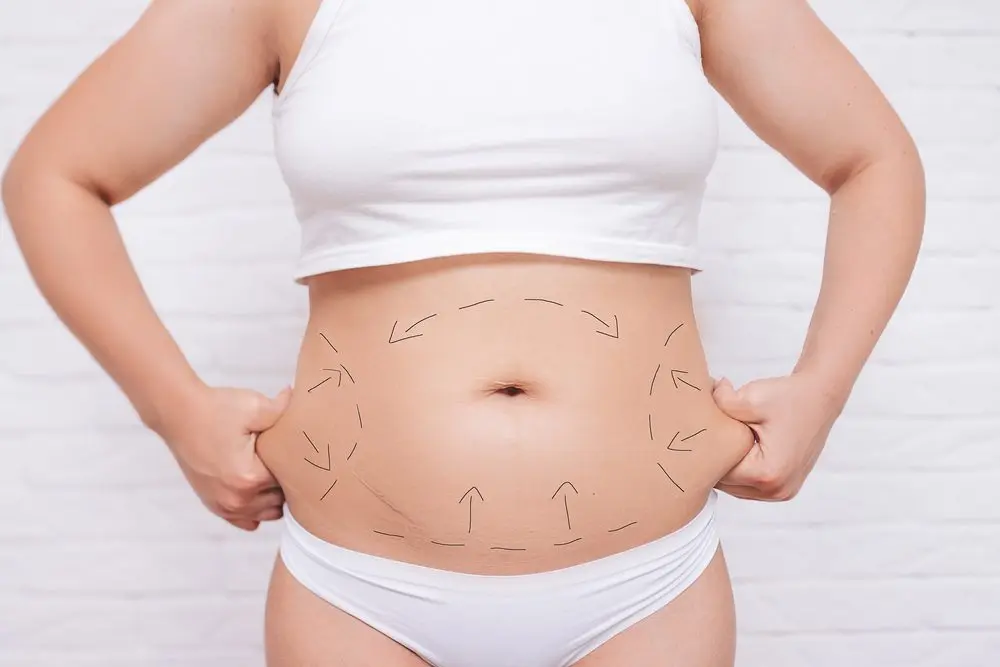
Your plan should be individualized. At our clinic, we confirm the number of cycles needed during mapping so you are not surprised by under-treatment or add-ons.
What treatment feels like, downtime, and side effects
During the first few minutes of cooling you may feel intense cold, pulling, or tingling that settles as the area numbs. Most patients read, work on a device, or rest during treatment. Afterward, the area can be red, tender, firm, or numb for several days. Bruising and swelling can occur. Temporary nerve sensitivity or tingling is possible and typically resolves.
CoolSculpting is considered minimally uncomfortable for most people. You can return to normal activities the same day. Rare complications include delayed pain or paradoxical adipose hyperplasia, an uncommon increase in fat volume in the treated area that may require additional treatment. Your provider should review risks, warning signs, and a follow-up plan.
CoolSculpting vs liposuction and other body contouring modalities
There is no single best body contouring procedure for everyone. The most effective option depends on your goals, timeline, tolerance for downtime, and skin quality.
- CoolSculpting: Noninvasive, no anesthesia, minimal downtime, gradual fat reduction. Best for small to moderate bulges and patients who prefer no surgery. Results build over months and may need multiple sessions.
- Liposuction: Minimally invasive fat removal with immediate volume change and the ability to treat larger areas in one session. Involves pre-op, recovery time, and post-op care. Carries higher procedural risk than noninvasive options.
- RF-assisted liposuction (for example, BodyTite): Minimally invasive heat-based fat reduction with some skin-tightening effect. Requires small incisions and recovery time, but less than traditional surgery.
- Muscle stimulation devices (for example, CoolTone and Accufit): Complementary to fat reduction for tone and firmness. They do not remove fat but can enhance overall contour.
Costs vary by market and treatment size. Per session, liposuction can be more expensive upfront but may require only one procedure, while CoolSculpting costs are distributed over cycles and visits. Insurance typically does not cover cosmetic body contouring. A consultation will help you compare value and downtime for your case.
Our patient-centered process and clinical credentials
Your safety and results are shaped by planning and follow-through. At Bellezza at Chetco Medical and Aesthetics, a board-certified internal medicine team oversees care with a structured model:
- Consultation and body composition review: We evaluate candidacy, measure and photograph treatment zones, review medical history and medications, and set goals. We discuss whether CoolSculpting, liposuction, RF-assisted options, or adjuncts like muscle stimulation fit best.
- Customized treatment plan: We map applicators precisely, confirm the number of cycles per area, and plan session timing for your calendar.
- Treatment-day comfort: We explain each step, use gentle tissue handling, and provide comfort aids. You can relax, work, or stream content during sessions.
- Follow-up and tracking: We check in at 4 weeks, repeat photos, and adjust the plan if needed.
Live near the coast and prefer a coordinated medical setting for aesthetics and wellness? Explore our Brookings body contouring clinic or learn about CoolSculpting in Brookings. Each link opens a page with details and scheduling options.
Checklist to choose a CoolSculpting provider
Use this brief list during consults to compare clinics:
- Credentials and oversight: Who performs and supervises treatments? Are clinicians trained and working within a medical practice?
- Clear treatment mapping: How many cycles are planned per area and why? Ask to see the map and get a written plan.
- Safety protocols: What is the process for screening, consent, emergency readiness, and rare complication management?
- Before and after photos: Ask for cases that match your body type and area.
- Pricing transparency: Request itemized pricing per package, including follow-ups.
- Follow-up care: Clarify recheck timing, photo documentation, and how adjustments are handled.
Quick planning guide to be summer-ready
- Start early: Count back 12 weeks from your goal date for full results, plus time for a second visit if needed.
- Maintain lifestyle: Stable weight, hydration, and activity support your outcome.
- Combine strategically: Consider pairing with muscle-toning protocols after fat reduction if appropriate.
- Protect your skin: If you are also doing lasers or peels, coordinate timelines with your provider.
FAQ
- What is the most effective body contouring procedure? It depends on your goals. Liposuction typically removes the most fat in one session. CoolSculpting is effective for targeted, nonsurgical reduction with minimal downtime. RF-assisted options bridge the gap for select patients.
- Does CoolSculpting work on arms? Yes. Upper arms are a cleared area, and many patients see improvement with 1 to 2 sessions per arm depending on fullness and skin quality.
- How many CoolSculpting sessions do you need for the belly? Many people need 1 to 3 visits with multiple cycles per visit to cover upper and lower abdomen. Your plan is mapped to your anatomy.
- How long do results last? Cleared fat cells are gone for good. Remaining fat cells can still enlarge with weight gain, so results are long lasting if your weight stays stable.
- Where does the fat go after CoolSculpting? Your body breaks down and clears the treated fat cells through natural metabolic processes and the lymphatic system over weeks.
- Which is cheaper, lipo or CoolSculpting? Upfront, liposuction is often more expensive but may be one procedure. CoolSculpting costs are per area and can add up across sessions. Value depends on goals, areas, and downtime tolerance.
- Is CoolSculpting worth the money? For the right candidate who wants nonsurgical spot reduction and accepts gradual change, many find it worthwhile. A clear plan and realistic expectations are key.
- Will insurance cover CoolSculpting? Cosmetic body contouring is generally not covered by insurance.
- How painful is body contouring? Most CoolSculpting patients describe temporary discomfort at the start of cooling and some post-treatment tenderness or numbness. Pain with minimally invasive or surgical options varies and is discussed during consultation.
Summary and next step
CoolSculpting can help you refine stubborn areas without surgery when it is planned and performed by qualified clinicians. Expect gradual results over 2 to 3 months, with session counts tailored to each area. Compare options realistically against your goals, budget, and timeline, and choose a provider who shows you the treatment map, explains risks, and follows up thoughtfully.
Ready to design your summer plan? Schedule a CoolSculpting consult to create your personalized roadmap with our medical team. We are here to answer questions, confirm candidacy, and coordinate care so you can move forward confidently.