
Spring sports, travel, and busier schedules are around the corner. If you want this season to feel strong and low stress, preventive care is one of the smartest moves you can make. Yet many people still wonder what “counts” as preventive, what their insurance actually covers, and why a visit that was supposed to be free sometimes generates a bill.
This guide clears that up. We will walk through the three levels of prevention with real-world examples, show how testing like Sudoscan and VNG fits into your plan, and explain common billing pitfalls so you can get the right care at the right time.
At Chetco Medical and Aesthetics, our primary care team builds longer visits around your questions and risks. We focus on education and practical steps you can use immediately, then coordinate any specialty care you might need.
The three types of preventive medicine
Preventive medicine aims to lower risk before problems start, catch issues early, and reduce complications if a condition already exists. Clinicians often describe three levels:
- Primary prevention: Steps that reduce the chance of getting sick in the first place.
- Secondary prevention: Screening to find conditions early, before symptoms appear.
- Tertiary prevention: Care that limits complications and preserves function when a condition is present.
Keeping these in mind will help you understand what is covered as “preventive” and what becomes diagnostic or problem-based care.
What falls under preventive medicine?
Primary prevention is the foundation for a healthy season:
- Vaccinations timed to your activities and risks, such as influenza, COVID-19, tetanus, HPV, shingles, and travel vaccines when indicated.
- Lifestyle counseling tailored to your goals, including training-load planning for runners, injury-prevention tips for weekend sports, nutrition coaching, sleep strategies, and stress management.
- Fall-risk reduction, like balance and gait checks, home-safety strategies, and medication review if you feel unsteady.
- Neuropathy risk assessment in people with diabetes, prediabetes, or tingling symptoms, using tools such as Sudoscan to detect small fiber nerve changes early.
Secondary prevention focuses on early detection:
- Blood pressure, cholesterol, and diabetes screening at recommended intervals.
- Cancer screening coordination based on age, sex, and family history, such as mammograms, Pap and HPV testing, colon cancer screening options, and low-dose CT for eligible smokers. We help schedule, track results, and close the loop.
Tertiary prevention keeps you moving and reduces long-term impact:
- Chronic disease tune-ups before travel or sports, including medication optimization and foot checks for people with diabetes.
- Dizziness or vertigo evaluation using videonystagmography (VNG) to pinpoint inner ear versus neurologic causes so you can reduce fall risk and return to activity with a plan.
What a preventive medicine specialist does
In practical terms, your preventive-focused primary care clinician:
- Reviews your personal and family history to map out risks by decade of life.
- Orders time-appropriate screening and vaccinations, then explains the why behind each item.
- Performs focused exams that matter for real life, such as balance testing before hiking season or neuropathy checks if you have burning, tingling, or numbness.
- Coordinates referrals for imaging, cardiology, gastroenterology, women’s health, or oncology as needed and helps you navigate follow-up.
- Creates an action plan you can sustain, not a one-visit checklist.
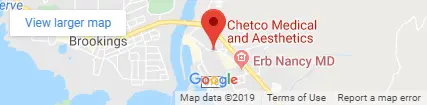
At Chetco Medical and Aesthetics, visits are intentionally longer when needed so there is time to educate, answer questions, and plan next steps together. If you are in the Brookings, Gold Beach, or Crescent City area and seeking ongoing care, learn more about our comprehensive approach to preventive medicine services.
How Sudoscan and VNG fit into prevention
Sudoscan is a quick, noninvasive test that evaluates sweat gland function. Because those nerves are part of the small fiber system, changes can signal early peripheral neuropathy or autonomic dysfunction. That matters for prevention. If we detect early nerve involvement in someone with prediabetes, we can intensify glucose control, nutrition, and vitamin management sooner, often improving symptoms and risk over time.
VNG uses infrared video goggles to analyze eye movements while you perform guided tasks. It helps distinguish inner ear conditions from central nervous system causes of dizziness. For athletes and active adults, a precise diagnosis means targeted therapy, safer return to training, and fewer falls.
What is covered under preventive care, and what is not?
Most health plans follow national guidelines for coverage of screening and counseling when there are no related symptoms. Commonly covered items include:
- Annual wellness visits focused on screening and counseling
- Blood pressure, cholesterol, and diabetes screening at guideline-based intervals
- Recommended cancer screening tests
- Vaccinations advised by age and risk
What is not covered as “preventive” typically includes:
- Problem-focused evaluation and treatment of symptoms found during your preventive visit, such as addressing chest pain, an acute injury, a persistent cough, or medication side effects
- Follow-up diagnostic testing when a screening test is abnormal
- Non-recommended screening or testing done outside guideline timelines
- Procedures or services unrelated to prevention, including most cosmetic treatments
That does not mean you should avoid discussing symptoms. It means your visit may be split for billing, with the preventive portion covered and the problem-focused portion billed according to your plan.
Why did I get a bill for a preventive care visit?
The most common reason is that the visit included both screening and problem-based care. Examples:
- You came for a wellness exam, but you also needed evaluation and medication adjustment for high blood pressure.
- Your screening lab suggested diabetes, so the clinician ordered additional diagnostic tests and started treatment.
- You raised active dizziness. Performing a targeted exam and ordering VNG becomes diagnostic care.
In these scenarios, insurance often covers the screening portion under preventive benefits. The diagnostic portion is processed under your medical benefits and may be subject to copayments, coinsurance, or your deductible. We explain this in real time so there are no surprises, and we can separate visits if you prefer.
What to expect at a Chetco preventive wellness visit
Plan for a thorough, friendly session built around your goals:
- Pre-visit preparation: We review your history, vaccine records, and prior screenings to identify gaps before you arrive.
- In-visit conversation: We set priorities that fit your season, whether that is marathon training, frequent flying, or caregiving demands.
- Focused exams and testing: Blood pressure, lab screening, and targeted assessments such as fall-risk, foot and neuropathy checks using Sudoscan when appropriate, and vestibular screening if dizziness is a concern.
- Care plan and coordination: You leave with clear next steps, timelines, and any needed referrals. Our team tracks results and reaches out to close the loop.
If body composition or performance is part of your health goals, ask our team about noninvasive options that complement a healthy lifestyle. For example, you can explore a consultation for CoolSculpting to understand how fat reduction fits into a broader wellness plan, or read about our broader body contouring offerings if aesthetic goals are on your list. These services are not preventive medical benefits, but many patients find discussing them alongside fitness and nutrition helpful.
Quick FAQ
- What falls under preventive medicine?
- Vaccinations, age and risk-based screening for blood pressure, cholesterol, and diabetes, cancer screening coordination, lifestyle counseling, and risk assessments such as fall-risk and neuropathy checks.
- What does a preventive medicine specialist do?
- Identifies your risks, recommends guideline-based screening, provides tailored counseling, performs focused exams, orders appropriate tests such as Sudoscan or VNG, and coordinates specialty care.
- What are the three types of preventive medicine?
- Primary prevention (avoid disease), secondary prevention (screen early), and tertiary prevention (reduce complications and preserve function).
- What is not covered under preventive care?
- Problem-focused evaluation of symptoms, diagnostic testing that follows abnormal screening, services outside guideline timing, and non-medical cosmetic procedures.
- Why did I get a bill for a preventive care visit?
- Your appointment likely included both preventive services and diagnostic care for a symptom or condition. Insurance typically processes those parts differently.
The bottom line
Preventive care is more than a once-a-year box to check. It is an ongoing plan that helps you stay active, travel confidently, and catch issues before they sideline you. At Chetco Medical and Aesthetics, we make time to listen, test thoughtfully with tools like Sudoscan and VNG when needed, and coordinate your next steps with specialists.
If you are due for screening or want a season-ready tune-up, book a preventive wellness visit. We will help you build a clear, doable plan for the months ahead.