
Every spring, the same thing happens. People come out of a long, wet Oregon winter, see themselves on camera at a family event or video call, and think: I look more tired than I feel.
The skin is dull from months of indoor air and limited sun. The lines around the eyes look deeper than they remember. Something feels a little off.
For a growing number of people in Brookings and across the Southern Oregon coast, that moment is what leads them to Google injectables for the first time.
If that’s where you are, this guide is for you. Not a sales pitch, but a genuine breakdown of how these treatments work, what patients actually experience, what the honest limitations are, and why early spring is genuinely one of the better times to start if you’re thinking about it.
What Are Aesthetic Injectables and How Do They Work?
“Injectables” is a broad term that covers two fundamentally different categories of treatment. Understanding which category addresses your concern is the single most important thing to figure out before booking anything.
Neuromodulators: Botox, Dysport, and Xeomin
Neuromodulators work by temporarily relaxing specific facial muscles. When a muscle cannot contract as forcefully, the skin above it stops creasing with every expression.
Over time, lines that were previously forming with every squint or frown simply stop deepening. These treatments address what are called dynamic wrinkles, or lines caused by movement.
Common Neuromodulators Include:
- Botox
- Dysport
- Xeomin
Dermal Fillers: Juvederm, Versa, Restylane, and More
Dermal fillers work differently. They physically add volume beneath the skin. They do not relax anything.
Instead, they restore structure, plump hollowed areas, and lift contours that have softened with age. These address static concerns, including volume loss, deep folds, and structural changes that are visible even when your face is completely relaxed.
Common Dermal Fillers Include:
- Juvederm
- Versa
- Radiesse
- Restylane
- Belotero
Most people who are new to aesthetics assume they need one or the other. Many experienced patients end up benefiting from both, but the starting point almost always depends on what you’re actually seeing in the mirror.
What’s the Difference Between Botox, Dysport, and Xeomin?
All three are neuromodulators that work through the same mechanism: they temporarily block the nerve signal that tells a facial muscle to contract.
The differences are more practical than dramatic.
Botox
Botox (onabotulinumtoxinA) is the original and most widely used neuromodulator.
Botox Facts
- FDA-approved for cosmetic use since 2002
- Deepest clinical history
- Familiar to most patients and providers
- Results typically appear within 3 to 7 days
- Results generally last 3 to 4 months
Dysport
Dysport (abobotulinumtoxinA) has a slightly smaller molecular structure that allows it to diffuse more broadly after injection.
Dysport Facts
- Often effective for larger treatment areas such as the forehead
- Some patients notice results within 2 to 3 days
- Uses different dosing units than Botox
Direct cost comparisons between Botox and Dysport require accounting for unit conversion differences.
Xeomin
Xeomin (incobotulinumtoxinA) is formulated without the accessory proteins found in Botox and Dysport.
Why Xeomin May Matter for Long-Term Users
Some patients who have used Botox consistently for years develop subtle antibody resistance, meaning their results gradually shorten over time.
Xeomin’s cleaner formulation carries a lower theoretical risk of triggering that response.
For long-term users whose results seem to fade faster, switching to Xeomin is often worth discussing with your provider.
Which Neuromodulator Is Best?
In practice, all three produce comparable outcomes when placed correctly by a skilled injector.
The product choice matters less than the injector’s understanding of:
- Facial anatomy
- Muscle movement
- Symmetry
- Aesthetic goals
Aesthetic Trends in 2026: Why Natural Results Matter More Than Ever
If you’ve avoided injectables because you did not want to look frozen, overdone, or unlike yourself, you are actually aligned with where the industry has been heading.
The Shift Toward Conservative, Natural-Looking Results
The trend in 2026 is less product, better placement.
Botox, fillers, and related treatments are now used more strategically to:
- Soften
- Balance
- Refine
- Refresh
The goal has shifted from obvious enhancement to what most providers describe as looking “rested and refreshed.”
People should ask if you’ve been sleeping better, not what procedure you had done.
The Rise of Regenerative Aesthetics
Experts predict 2026 will continue the movement toward regenerative reset treatments.
These treatments focus on:
- Reviving skin health
- Supporting collagen production
- Improving skin quality naturally
- Avoiding overfilled or exaggerated features
For patients in Brookings considering injectables for the first time, this matters.
The “frozen face” look associated with early 2000s aesthetics is no longer the goal of a well-trained injector. Conservative dosing, anatomy-driven placement, and gradual refinement are now considered best practice.
Why Spring Is a Smart Time to Start Injectables
This is not just marketing. There are legitimate practical reasons why March through May is one of the best windows to begin injectable treatments.
Post-Winter Skin Recovery
Skin coming out of a long Southern Oregon winter is often:
- Dehydrated
- Dull
- Dry from indoor heat
- Showing signs of environmental stress
Starting treatment in spring gives your skin time to improve and settle before:
- Summer vacations
- Outdoor weddings
- Beach days
- Family events
- Graduation season
Ideal Timing for Lasers and Chemical Peels
If your treatment plan includes:
- Chemical peels
- Laser treatments
- Light-based procedures
Spring is one of the safest and most effective seasons to begin.
Many patients prefer to complete laser-adjacent treatments before spending extended time outdoors in stronger summer sun.
Injectables Need Time to Settle
Typical Treatment Timelines
- Botox and Dysport typically reach full effect in 5 to 10 days
- Fillers settle and integrate over 2 to 4 weeks
Starting in early spring means you are often at peak results by late spring and early summer.
Better Appointment Availability
Summer schedules fill quickly.
Planning treatments in March or April often gives patients:
- More appointment flexibility
- More time for follow-up adjustments if needed
- Less scheduling stress before important events
What Areas Can Botox and Fillers Treat?
More than most people realize.
Common Botox and Neuromodulator Treatment Areas
Neuromodulators such as Botox, Dysport, and Xeomin are commonly used for:
- Horizontal forehead lines
- “11” lines between the eyebrows
- Crow’s feet around the eyes
- Brow shaping and subtle brow lift
- Bunny lines on the nose
- Lip lines
- Lip flip treatments
- Chin dimpling
- Neck bands (platysmal bands)
- Masseter reduction for jaw slimming or TMJ-related tension
Common Dermal Filler Treatment Areas
Dermal fillers are often used for:
- Nasolabial folds
- Marionette lines
- Lip augmentation and lip definition
- Cheek volumization
- Midface lifting
- Under-eye hollows (tear troughs)
- Jawline contouring
- Temple hollowing
- Hand rejuvenation with Radiesse
Why an In-Person Assessment Matters
Some patients think they need filler in the forehead when they actually need a neuromodulator.
Others assume crow’s feet require filler when Botox is the correct treatment.
An in-person assessment by a physician who understands facial anatomy determines the safest and most effective approach for your face specifically.
What Should a First-Time Injectable Patient Expect?
Honest expectations matter more than anything else in aesthetics.
The Consultation Comes First
A reputable provider should perform a full assessment before treatment, especially for first-time patients.
During your consultation, your provider will:
- Review your medical history
- Discuss your concerns and goals
- Assess facial anatomy
- Recommend a customized treatment plan
This is also when you should ask every question you have.
The Treatment Is Usually Fast
Typical Appointment Lengths
- Neuromodulator appointments: 15 to 20 minutes
- Filler appointments: usually under 60 minutes
Most patients drive themselves home and resume normal activities the same day.
Mild Side Effects Are Normal
Temporary side effects can include:
- Minor bruising
- Mild swelling
- Injection-site redness
These effects generally resolve within several days to one week.
Tips to Minimize Bruising
Some patients reduce bruising risk by:
- Avoiding blood-thinning medications beforehand
- Taking Arnica supplements if approved by their provider
Results Are Not Instant
Neuromodulator Timeline
- Initial effects begin within days
- Full results appear around 2 weeks
Filler Timeline
- Immediate visible improvement
- Continued settling over 2 to 4 weeks
Your final result is not what you see immediately after treatment.
Conservative Treatment Is Usually Best
First-time patients typically benefit from starting subtly and building gradually over time.
It is far easier to add product later than to reverse overcorrection.
The Honest Limitations and Risks of Injectables
This deserves direct attention because most marketing does not address it clearly enough.
Injectables Are Temporary
Neuromodulators wear off over time.
Typical Maintenance Timelines
- Botox, Dysport, and Xeomin: every 3 to 4 months
- Filler reassessment: every 12 to 18 months depending on the product
If you stop treatment, your face gradually returns to its natural baseline.
Injectables Do Not Fix Everything
Injectables do not fully address:
- Skin texture
- Pigmentation
- Significant skin laxity
- Sun damage
Other treatments may be more appropriate for those concerns, including:
- Morpheus8
- Genius RF microneedling
- Chemical peels
- Laser resurfacing
- Microneedling
Provider Skill Matters More Than the Product
The same syringe can produce either:
- A natural, balanced result
- An overdone or distorted appearance
The difference is the injector’s:
- Training
- Anatomical knowledge
- Technique
- Aesthetic judgment
Being treated in a physician-led or physician-supervised medical practice significantly reduces risk.
Can Injectables Be Combined With Other Treatments?
Yes. Thoughtful combination planning often produces the best overall outcome.
Injectables + Morpheus8
Neuromodulators reduce muscle movement while Morpheus8 addresses:
- Skin laxity
- Texture
- Collagen stimulation
These treatments target different layers and concerns, making them complementary.
Injectables + Chemical Peels
This combination addresses:
- Structural aging
- Surface-level skin quality
- Brightness and texture
Injectables + Microneedling
Microneedling supports:
- Collagen production
- Skin tone improvement
- Texture refinement
Injectables help maintain contour and smoothness.
These treatments are usually spaced several weeks apart.
Injectables + ThermiVa
Some patients address both facial aesthetics and intimate wellness concerns in the same clinic setting.
These treatments are separate but can often be coordinated within the same treatment plan.
Frequently Asked Questions About Injectables in Brookings, OR
I’m in My Late 20s. Is It Too Early for Botox?
Preventative Botox has become increasingly common among younger patients who want to soften repetitive facial movement before deeper lines form.
Whether it makes sense depends on:
- Your anatomy
- Your facial movement
- Your goals
A consultation gives you a personalized answer.
Will Injectables Make Me Look Like a Different Person?
Not when done correctly.
The goal of a conservative, anatomy-led approach is to help you look like yourself on a particularly well-rested day, not like someone else entirely.
Overdone results are usually related to poor technique or excessive product, not the products themselves.
How Do I Know Whether I Need Botox or Filler?
A simple guideline:
You May Need a Neuromodulator If:
- The lines only appear when your face moves
- Your concern is expression-related creasing
You May Need Filler If:
- The concern is visible even at rest
- You notice volume loss or hollowing
- Your concern is structural rather than muscular
An in-person consultation confirms the right approach.
Is Juvederm Reversible?
Yes.
Hyaluronic acid fillers such as:
- Juvederm
- Versa
- Restylane
can be partially or fully dissolved using hyaluronidase.
This reversibility is one reason these fillers are often a comfortable starting point for new patients.
What Happens When Botox Wears Off?
Your face gradually returns to its previous baseline.
Botox does not accelerate aging or permanently damage muscles when used appropriately.
Some long-term patients actually notice softer lines over time because the skin experiences fewer repeated creasing movements.
Can Men Get Injectables?
Absolutely.
Male aesthetics is one of the fastest-growing areas in aesthetic medicine.
Treatment plans for men are usually adjusted to preserve:
- Natural masculine contours
- Facial structure
- Subtle, refreshed results
How Far in Advance Should I Book Before a Summer Event?
Recommended Timing
- Botox or Dysport: 2 to 3 weeks before your event
- Filler: 3 to 4 weeks before your event
If you are completely new to injectables, earlier is usually better so adjustments can be made comfortably before your deadline.
Where to Get Botox and Fillers Near Brookings, OR
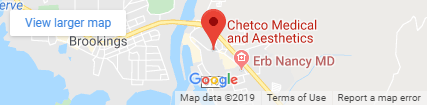
Chetco Medical and Aesthetics at 97827 Shopping Center Ave., Brookings, OR 97415 offers a full injectable menu including:
- Botox
- Dysport
- Xeomin
- Juvederm
- Versa
- Radiesse
- Belotero
- Restylane
- And more
All treatments are administered in a physician-led practice focused on natural-looking, anatomy-driven results.
Call (541) 412-9800 or visit chetcomedical.com/schedule to book a consultation.